
NOW
“There is growing interest in organic cotton, with H&M and Inditex, the parent company of Zara, featuring among the world’s top five users of organic cotton by volume in 2016. But overall use of organic cotton represents less than 1 per cent of the world’s total annual cotton crop.” – https://www.independent.co.uk/life-style/fashion/environment-costs-fast-fashion-pollution-waste-sustainability-a8139386.html
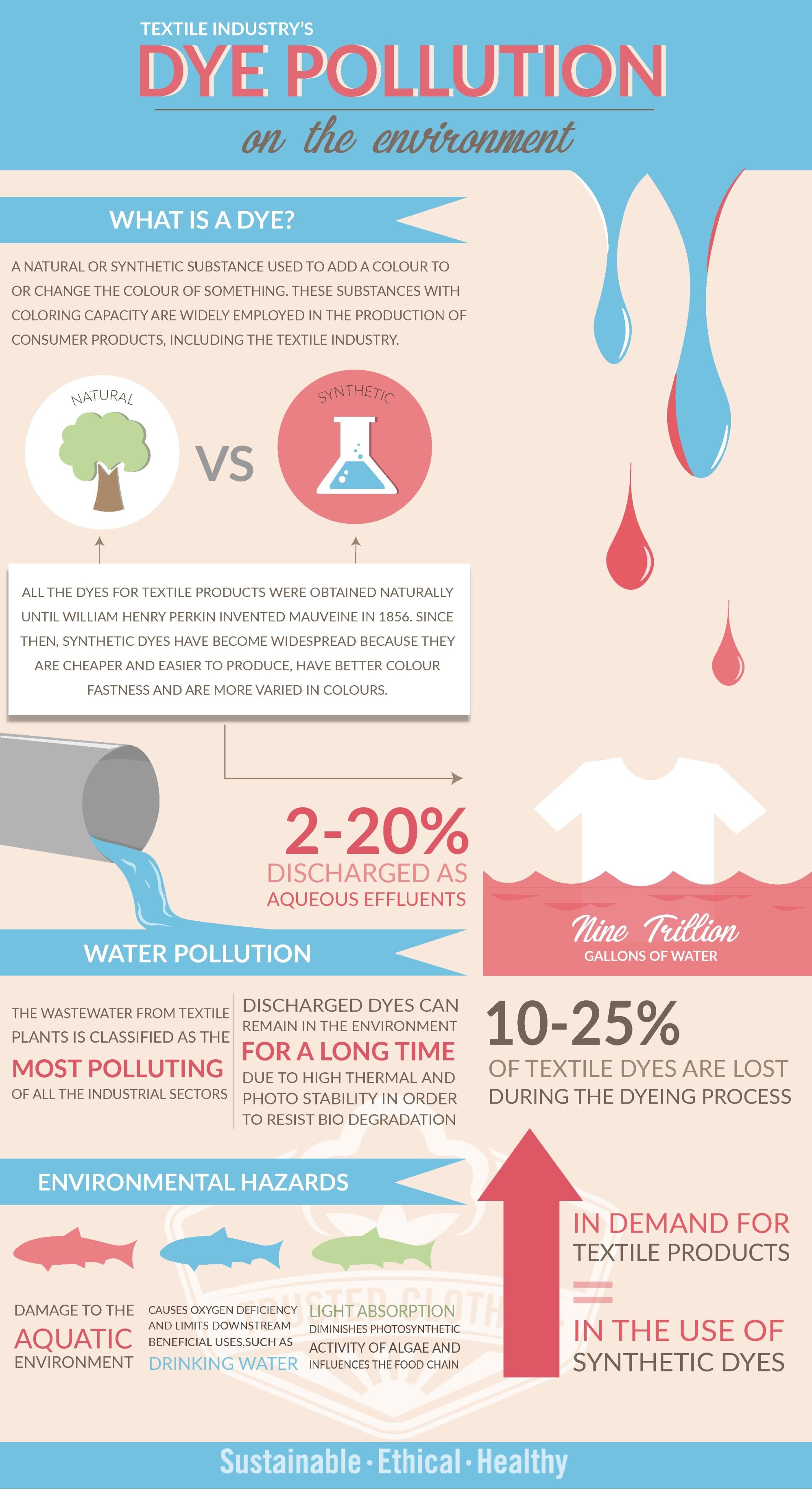
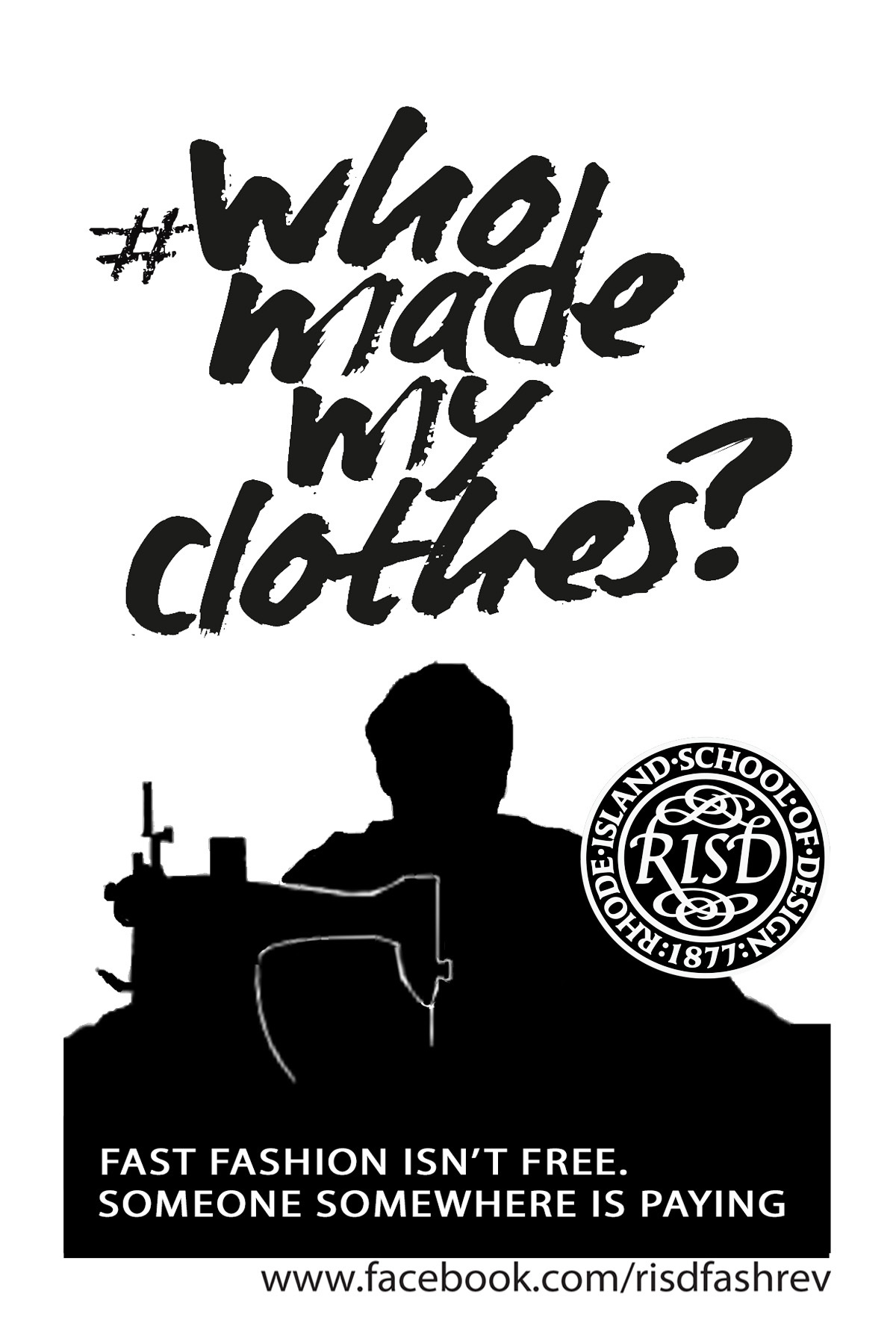
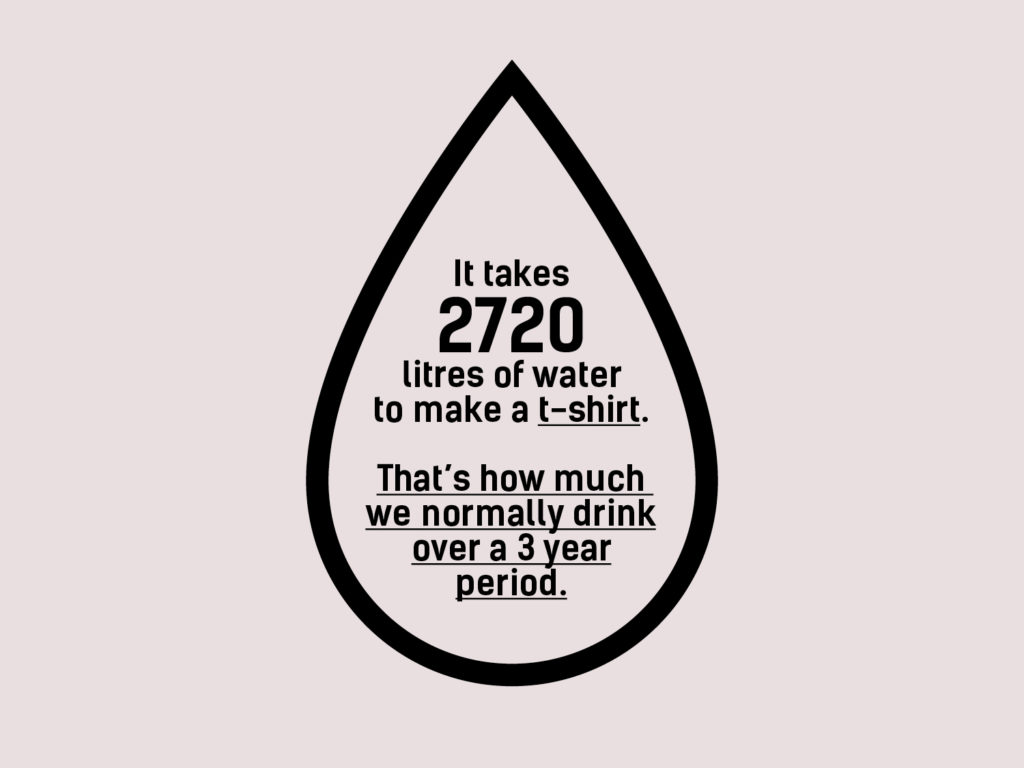
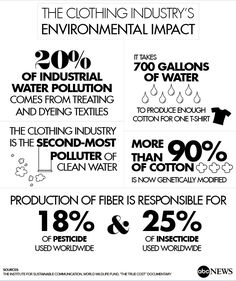
“The fashion industry is one of the biggest in the world, accounting for 2% of global Gross Domestic Product (GDP). Unfortunately, it’s also now one of the biggest polluters in the world—second only to oil. The reason? Fast fashion.”
fast fashion retailers grew by 9.7%between 2010 and 2015—is deeply concerning from a sustainability perspective.
We don’t really wear our clothes. Worldwide, clothing utilization (how often we put something on) hasdecreased by 36 percent compared to 15 years ago.
By 2030, it’s expected that fashion waste will increase to a 148 million ton problem.
We don’t really wear our clothes. Worldwide, clothing utilization (how often we put something on) hasdecreased by 36 percent compared to 15 years ago.
But consumer attitudes for ethical fashion are increasingly favorable. Sixty percent of millennials say they want to shop more “sustainably.”
About 2,000 different chemicals are used in textile processing — yet only 16 are approved by the Environmental Protection Agency.
Only 15 percent of consumers recycle their used clothing.
About 2,000 different chemicals are used in textile processing — yet only 16 are approved by the Environmental Protection Agency. – https://www.rubiconglobal.com/blog-14-sustainable-fashion-facts/
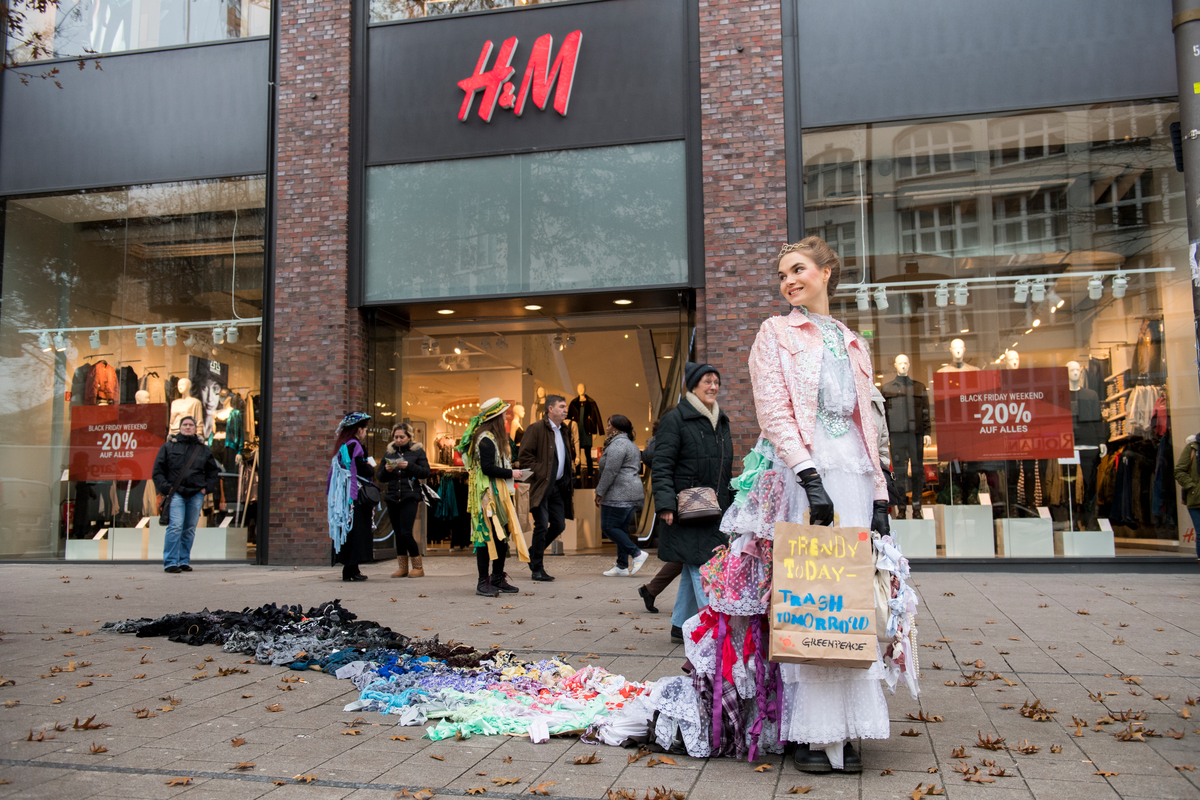
An activist disguised as a Queen of Old Clothes promotes a Buy Nothing Day on “Black Friday” as part of the campaign to reduce overconsumption. The Trash Queen wears a seven metres long train made from used clothing. Greenpeace activists as trainbearers present the Trash Queen as an ambassador of the Detox our fashion campaign and call on the public to pursue a sustainable fashion lifestyle. The message on the paper bags reads: “Trendy today – Trash tomorrow”. Fuer einen verkaufsfreien Tag wirbt am “Black Friday” eine “Trash Queen” in der Hamburger Innenstadt. Ihre sieben Meter lange Schleppe aus Altkleidern symbolisiert die weltweite Menge an textilem Muell. Die Altkleiderkoenigin wirbt fuer nachhaltigen Modekonsum. Die Botschaft auf den Papiertueten lautet: “Heute Trend- Morgen Muell”. 
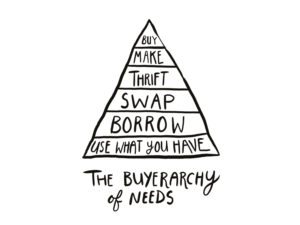
I am a communication designer that holds a great interest in sustainable fashion. As someone who considers fashion to be a large part of their identity I am aiming to encourage an audience to become aware of the effects fast fashion is having on our environment and to encourage them to help shrink this industry.
I want to break the barriers between second hand, fast fashion and high fashion by producing a piece of work which will portray pre loved clothing to appear high end. I hope to break down the negative light that is shed on thrift shopping. The main concept of this assignment is small action, large effect.
It is well known that as time goes on more and more people are becoming interested in living a ethical lifestyle but don’t know where or how to start.
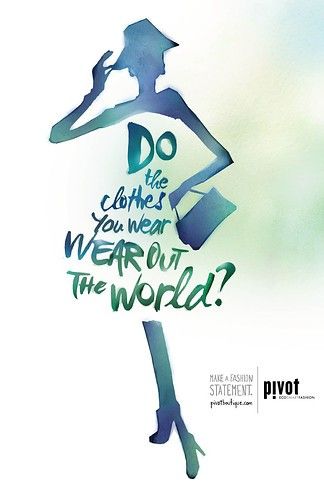
Fast fashion production is known to be one of the largest polluters in our world. Second to Oil.
60% of millennials say they want to shop more sustainably.
Principles:
My audience needs to be encouraged to shop primarily second hand.
My audience need to be shown the diversity of possibilities through pre loved clothing.
My audience needs to be educated on the affect the fast fashion industry is having on our environment.
How might creating a media which promotes second hand shopping influence the harm the fast fashion industry is having to our environment?
How can I encourage people to do so?
THE BIG PICTURE: FUTURE
Ideas:
- A catalogue like book or mag displaying pre loved clothing to look high fashion like
- Showing a range of personality through imagery to encourage all kinds of consumers to second hand shop
- To display the diversity of op-shopping and that it can apply to anyone
- To encourage to wear what you like not what you are told to like
- Creative process film or imagery to be displayed alongside this catalogue
Strategy:
The idea is to make it mainly visual with minimal text. I want to include a small section of text, describing what the book is dedicated to and a bit of an insight into the issue itself however my main aim is to make a piece of work which is extremely visually appealing. Small action, large effect.
OBSERVATIONS:
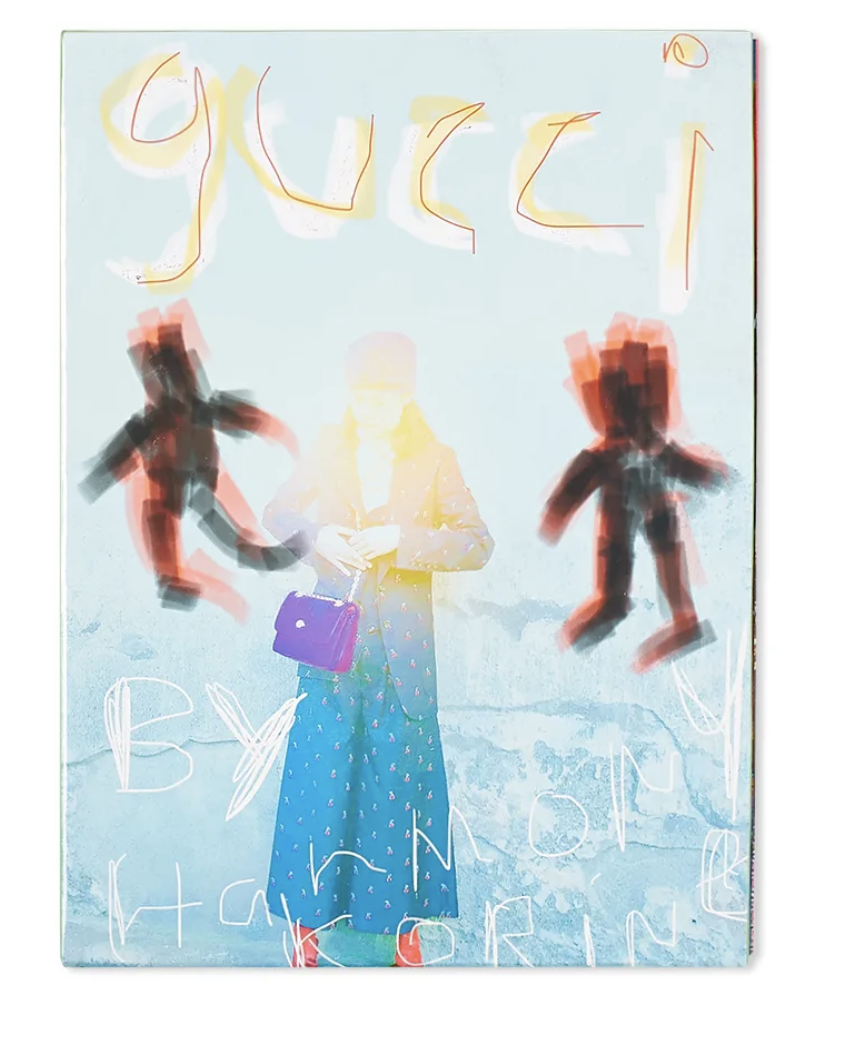
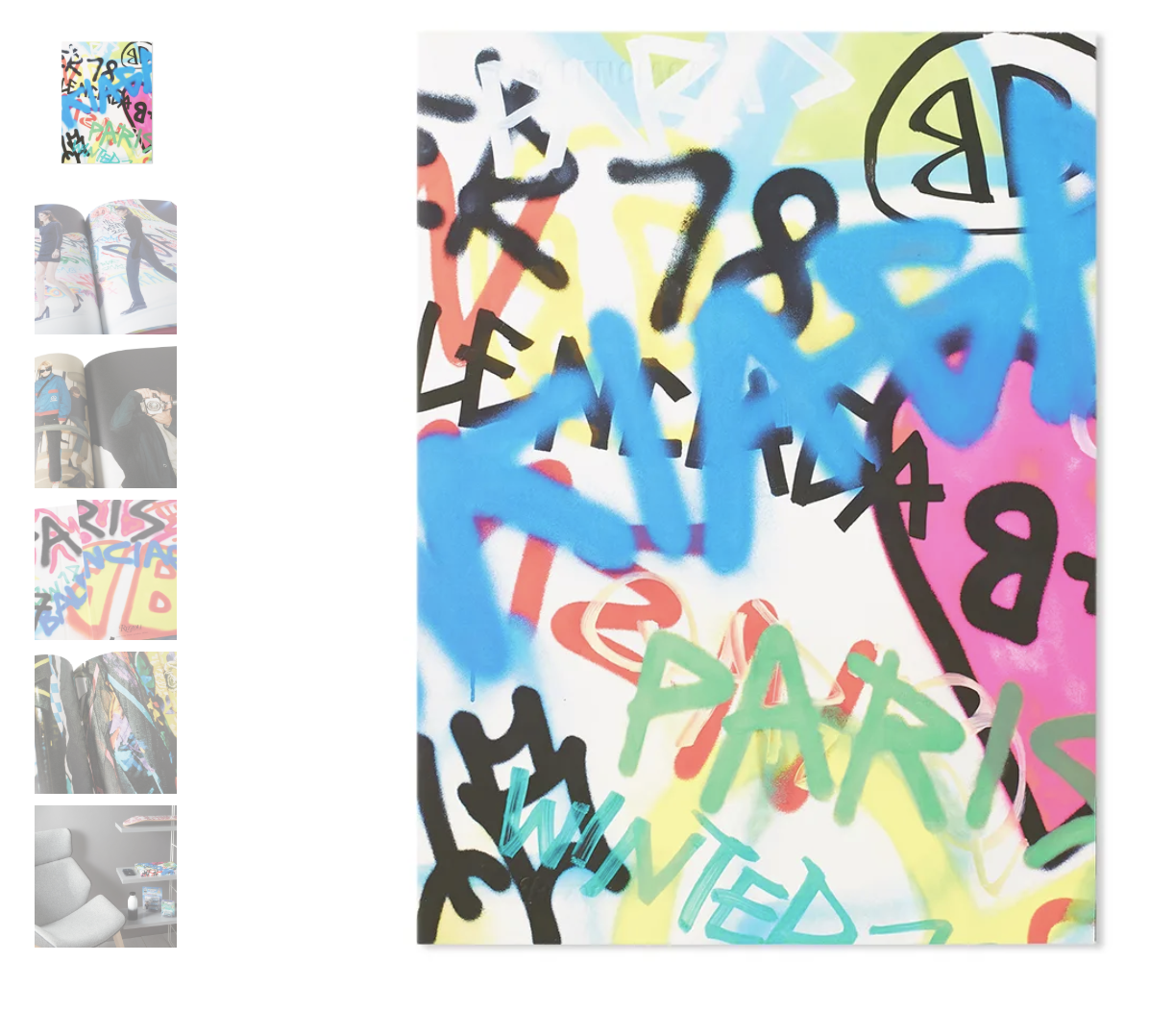
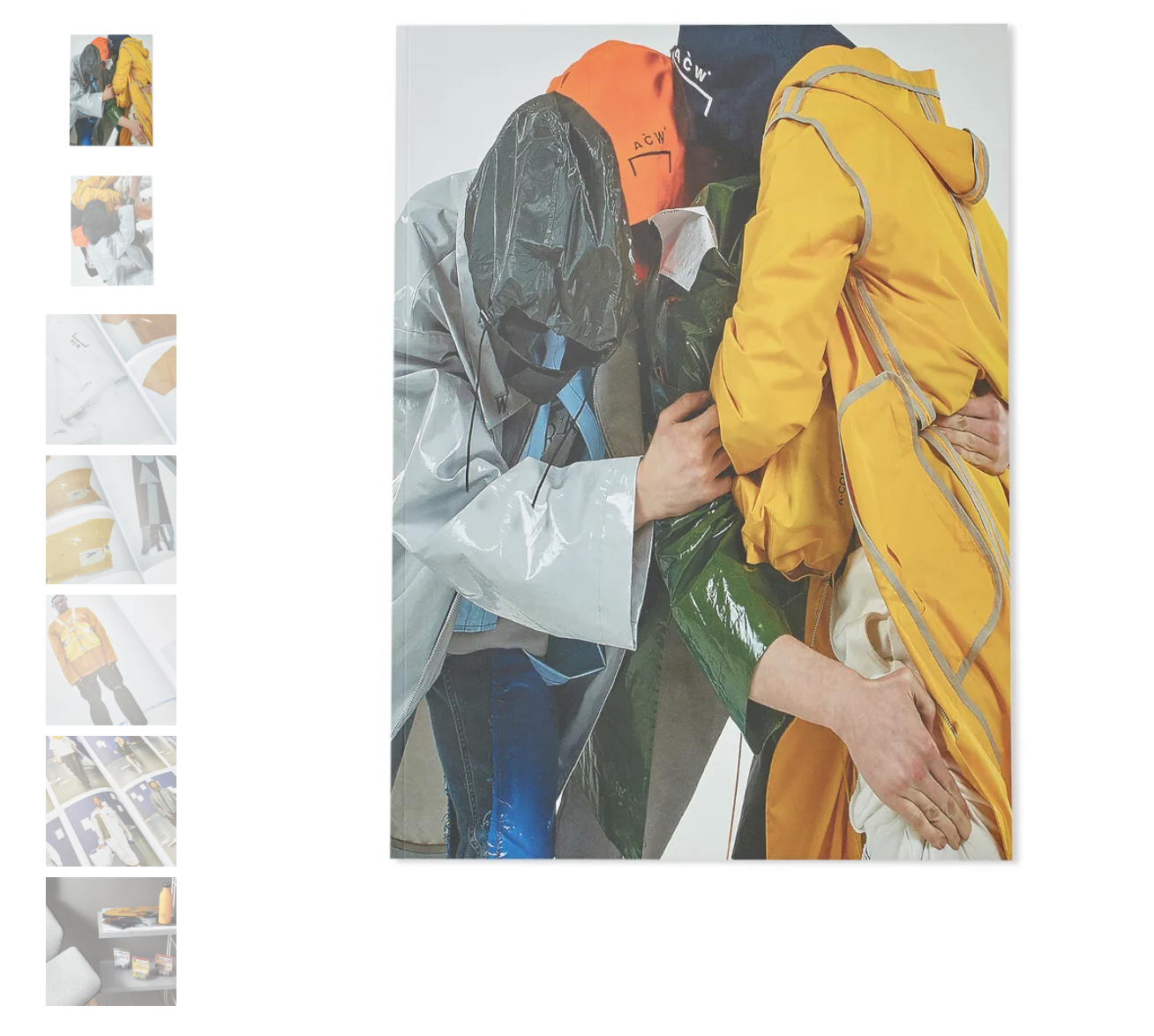
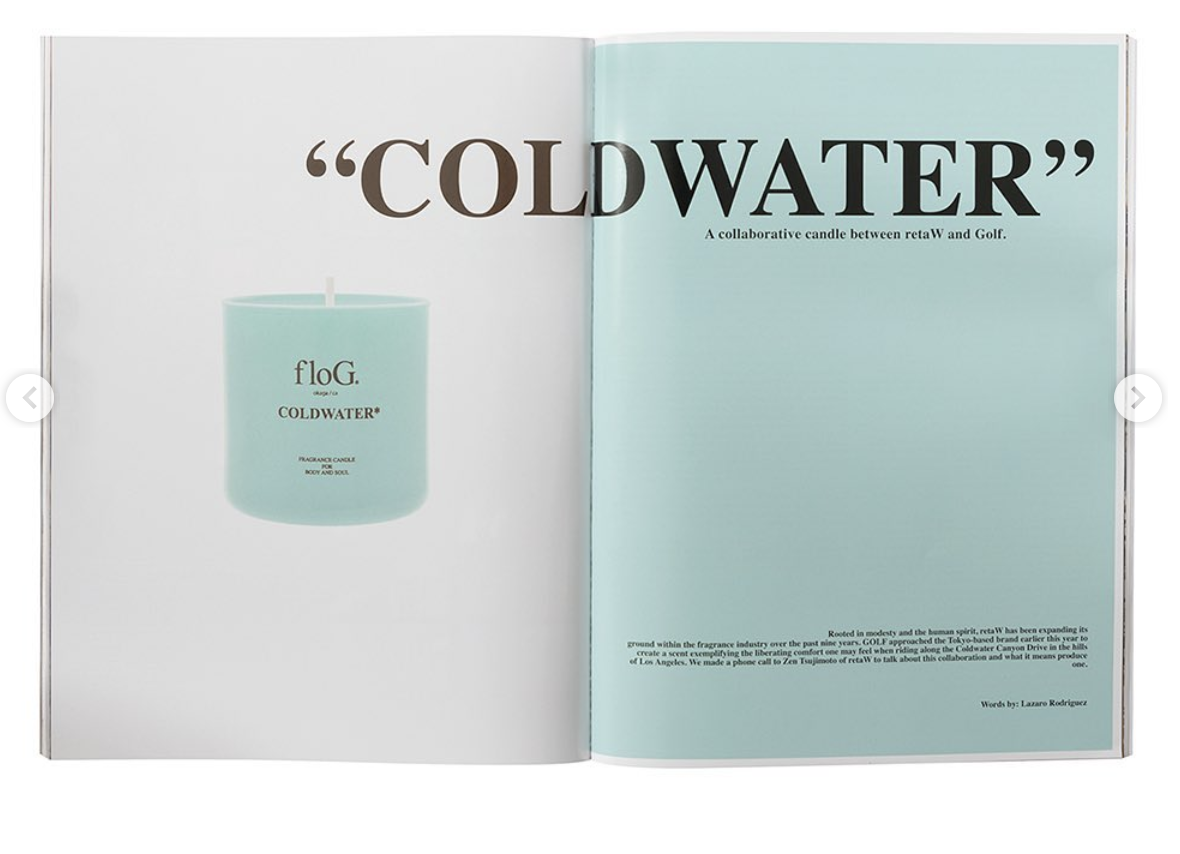
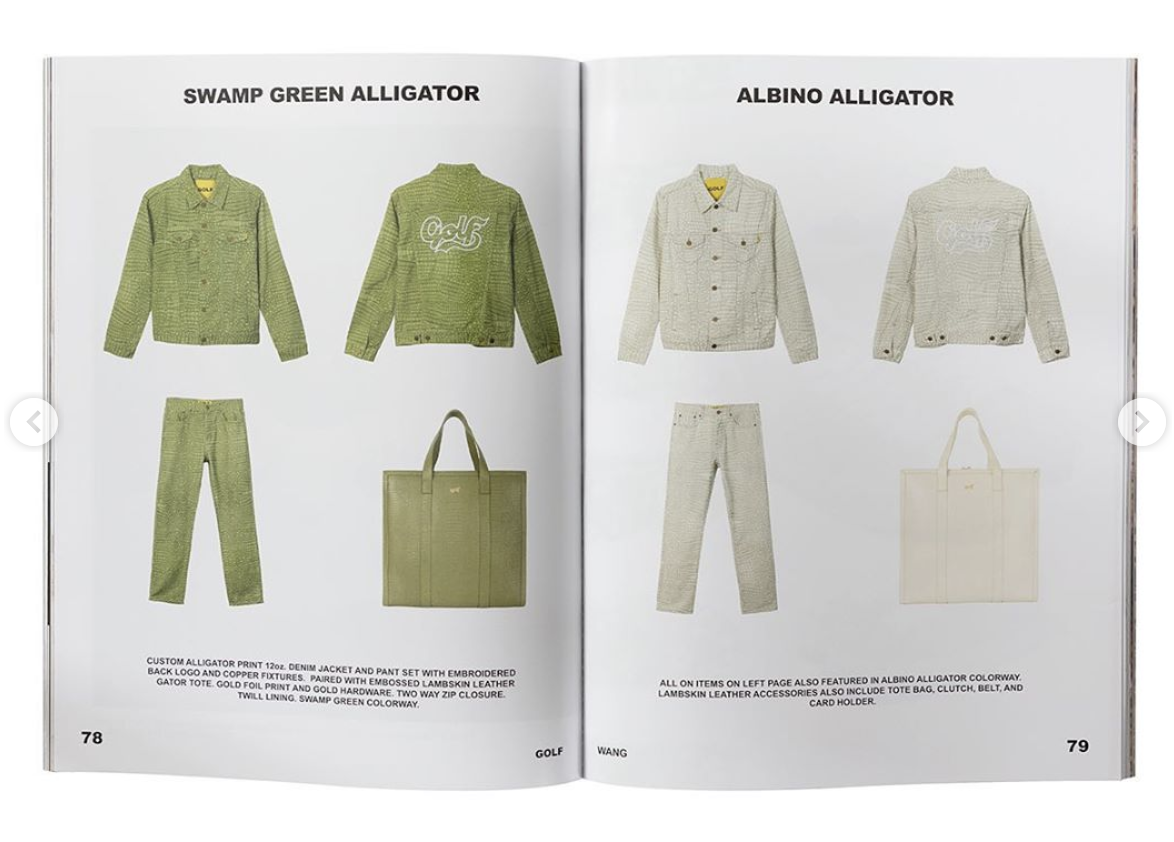
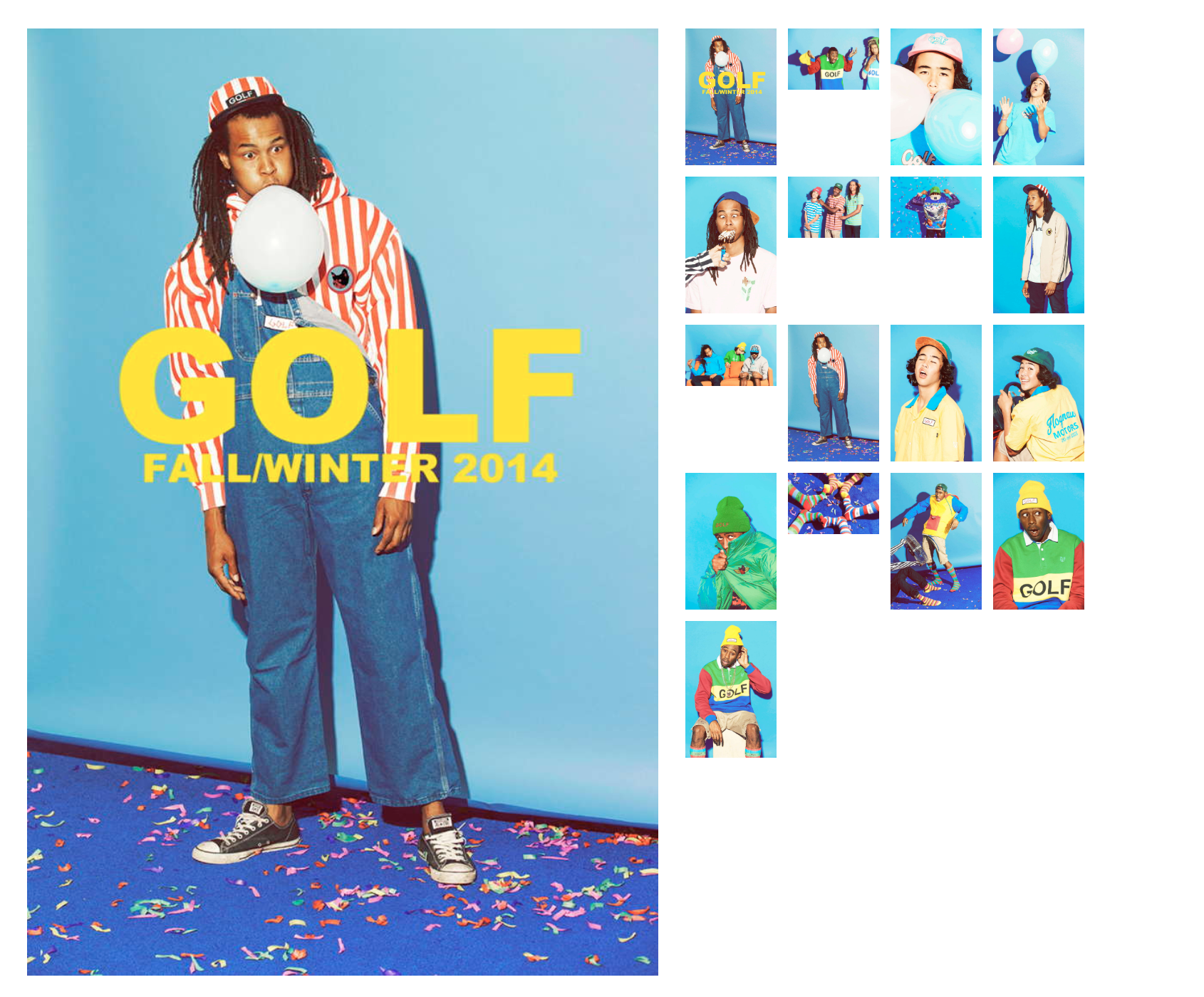

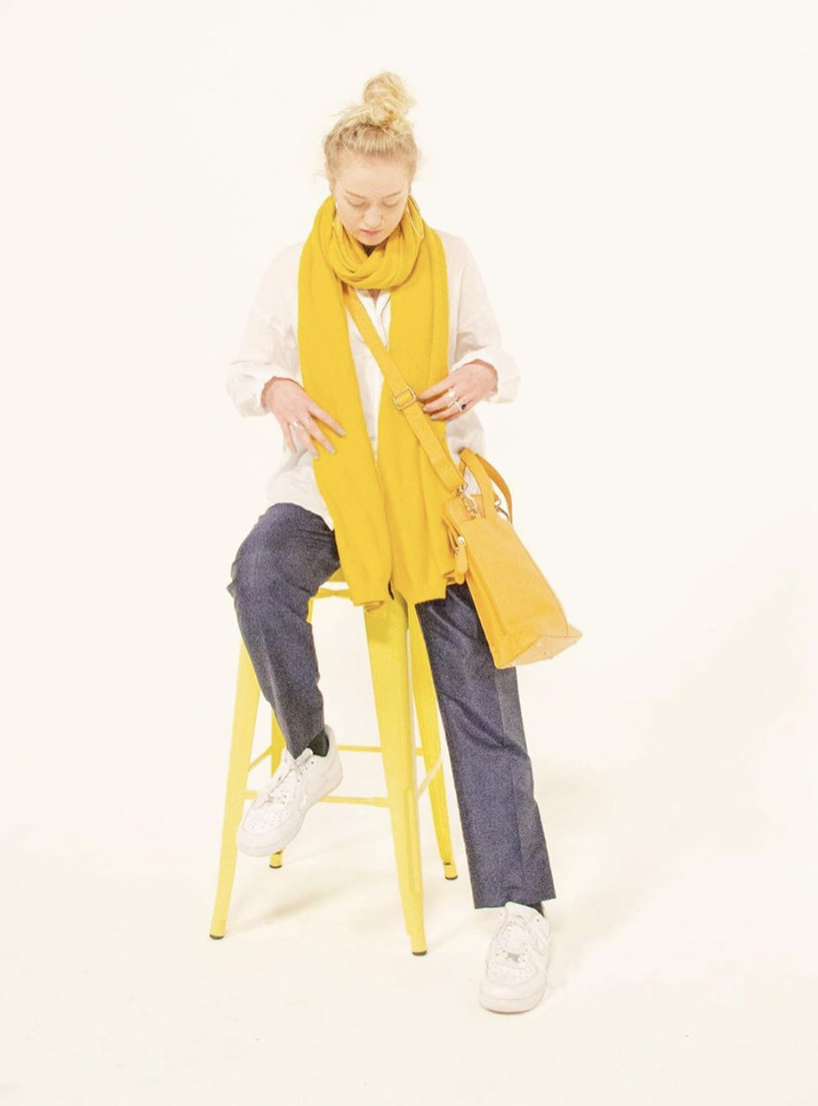
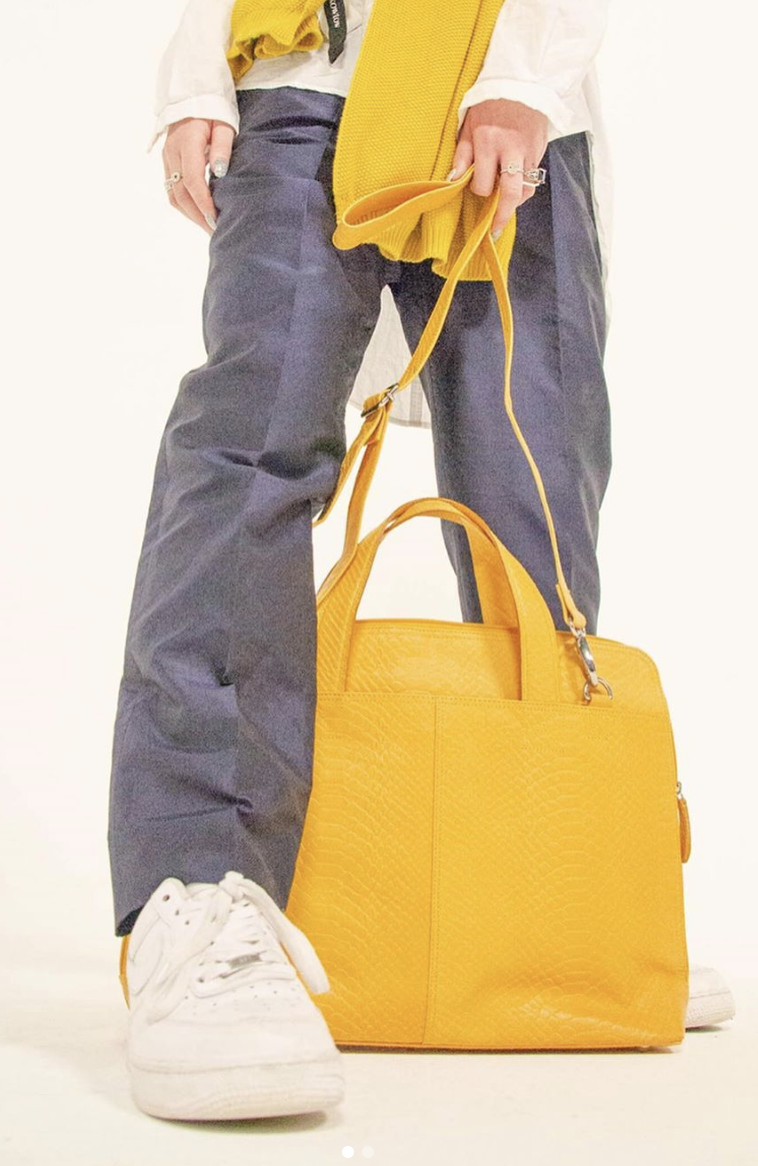
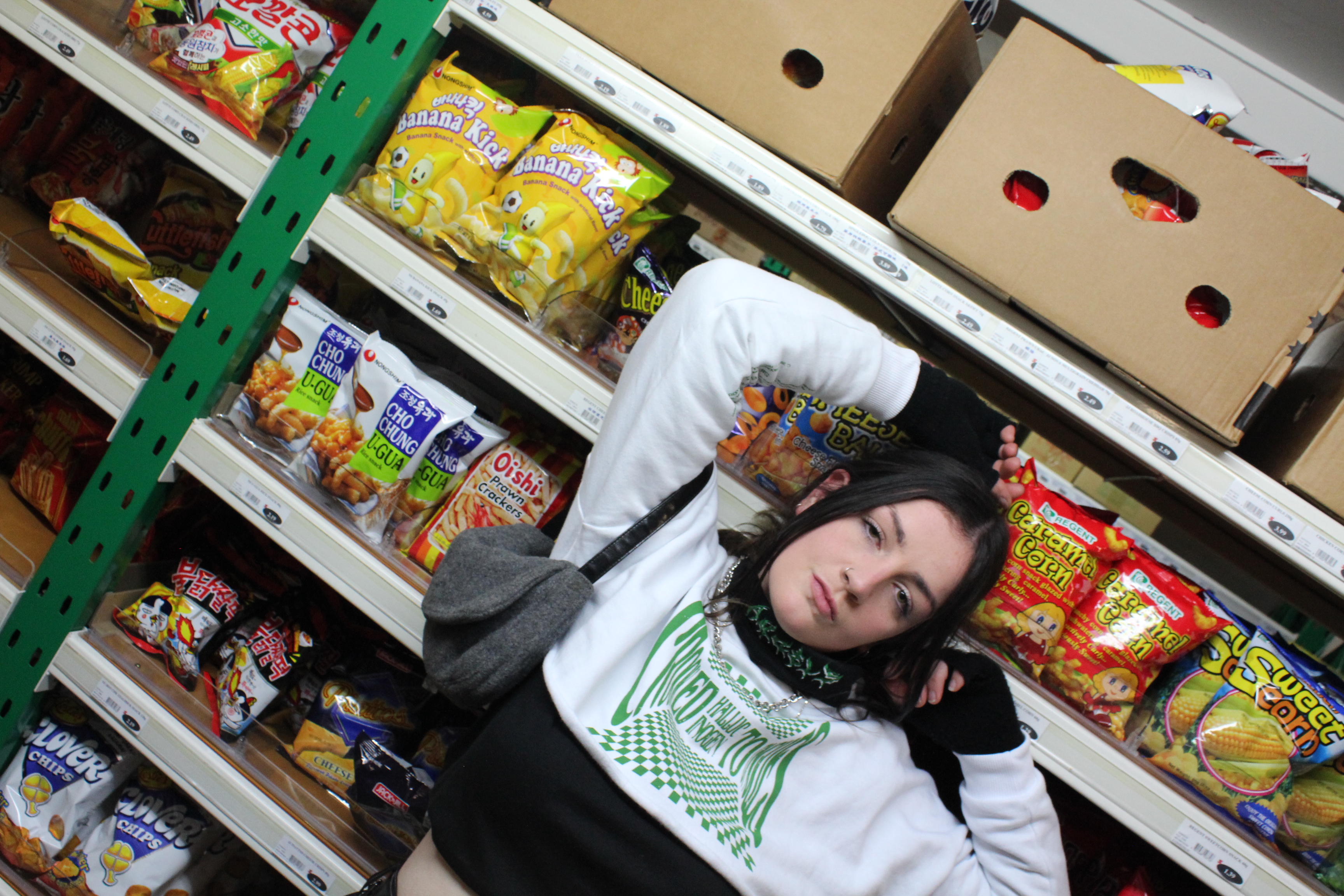
Look books and catalogues are very popular amongst all types of clothing companies as they inform their customers of the new and latest seasons. Brands such as Gucci, Louis Vuitton, Dior etc. have all made books which beautifully display their garments or the history of them. These of which are commonly seen on coffee tables, at cafes or shops and are an easy look through. All of which are kept simple but very aesthetically pleasing to look at.
Above are some personal images of which I have captured or help directed for a couple different displays. Both hold a different style and this is one of my main focuses of my final product.
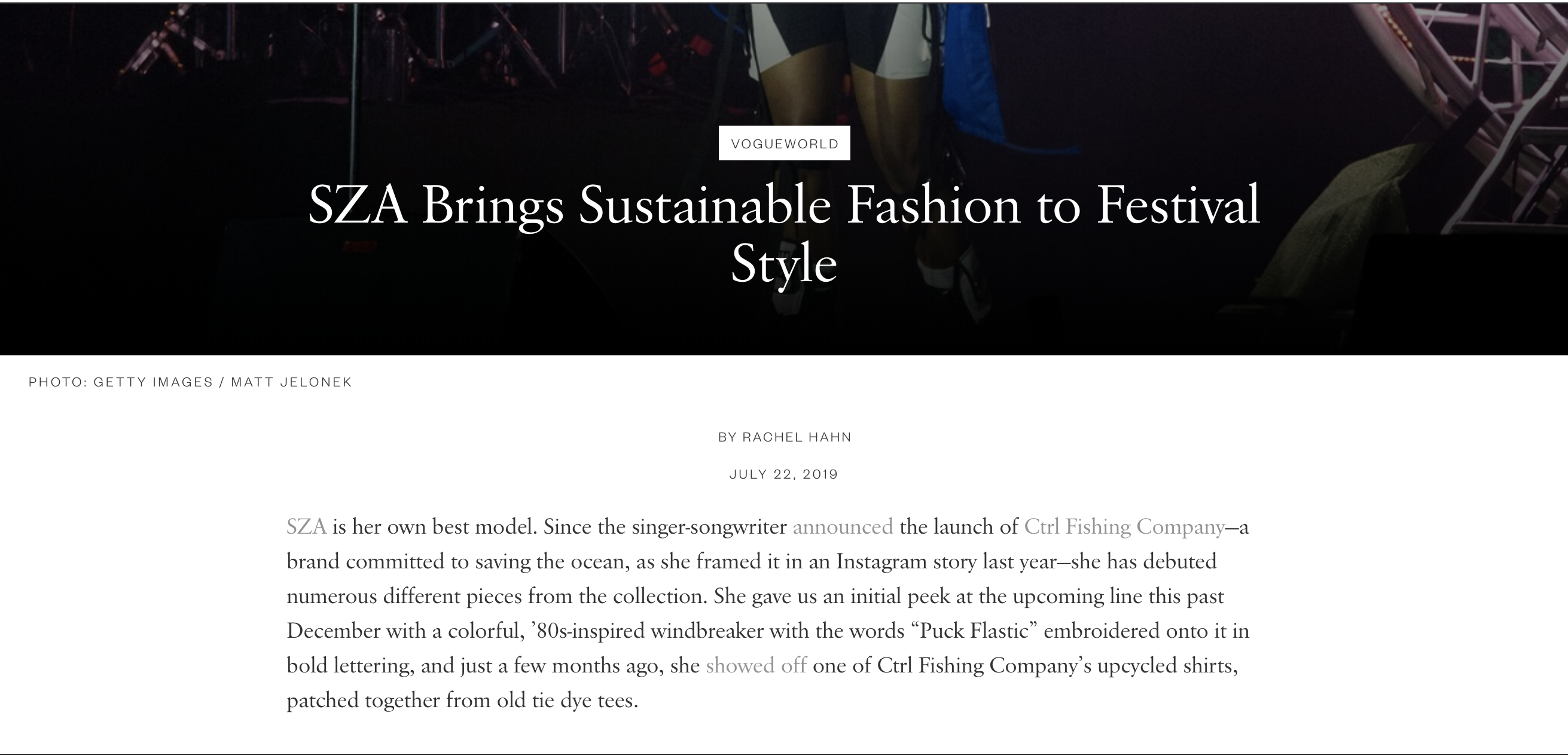
Pop culture figures are beginning to take action to raise economic awareness. SZA below discusses her brand that she intends to help clean the ocean. Many solutions to the fashion industry harming our environment are being suggested however the idea that one change can’t help is a perspective that needs to be changed.
EXPERIMENTS: Going forward
What do I want to acheive?
- To create a book that displays the possibilities of pre loved clothing and discourages fast fashion.
- To create a fashion catalogue that is out of the norm
- To use photography to communicate that pre loved clothing is suited to everyone
- To eliminate the negative stigma around it ‘old and tatty’
- To give people a look into ‘small action, big change’
- To captivate my audience with an aesthetic approach
- To tackle a topic that is not paid enough attention to
Where from here?
- To move this assignment forward I will begin planning the layout and categories of the book. I will look in to any information I want to include.
- Survey people online and receive their opinions on the subject.
- Design a brief for myself and extend on my target audience.
- Explore ways to possibly push my topic further
- Continue research
- Explore a title for it
 SLOW+STEADY